← All 12 weeksDaniel Bible Study
Week 4 · November 3, 2026 · Tuesdays 6:30 PM

Daniel 4

The Most High rules
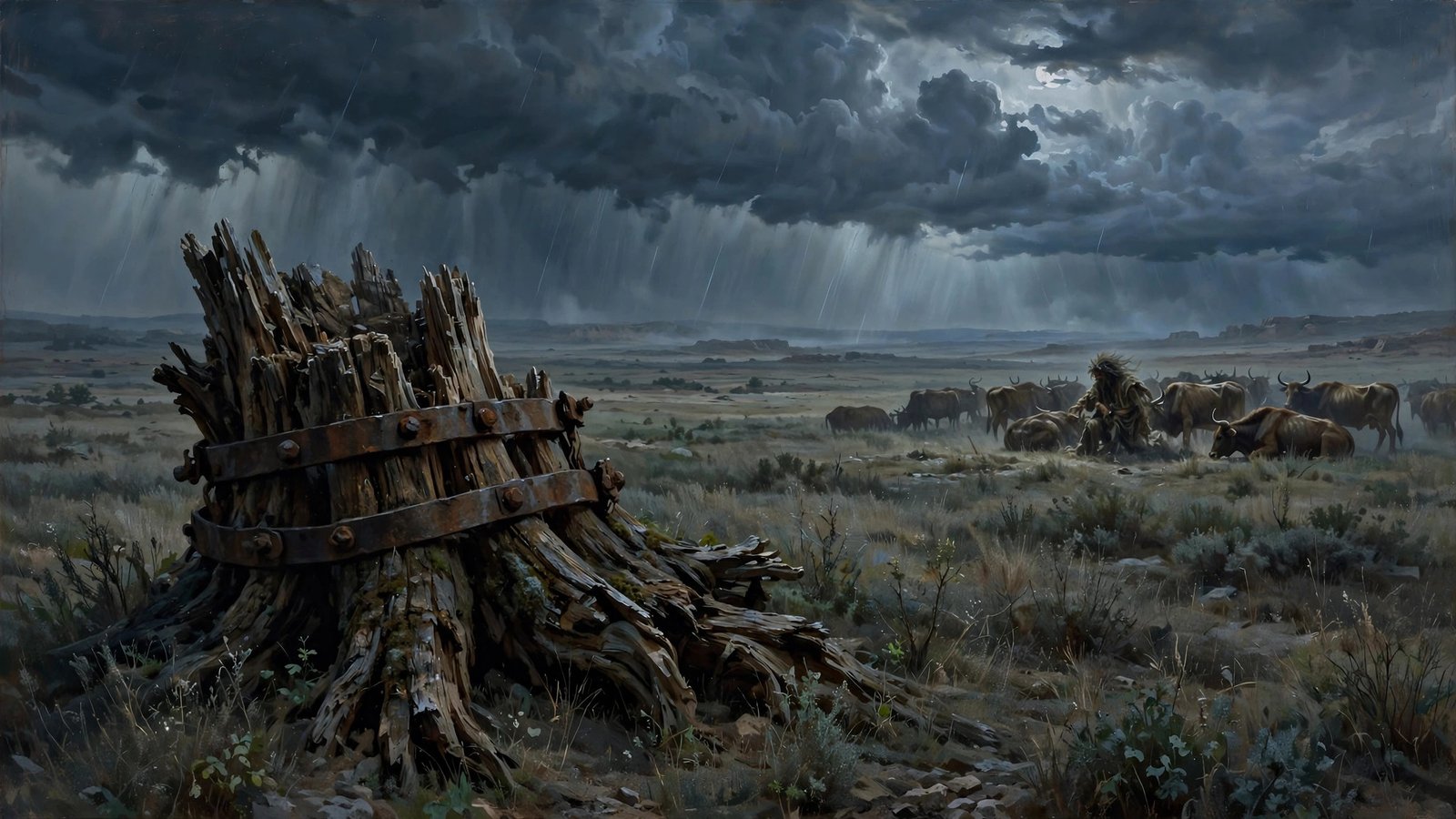
Daniel 4 illustration

God humbles pride and restores those who acknowledge His rule.

Daniel 4:17 — The Most High rules the kingdom of men and gives it according to His purpose.
The story

The Most High rules

Daniel 4

Daniel 4 is framed as Nebuchadnezzar’s testimony. The king dreams of a towering tree cut down until only a restrained stump remains. Daniel is distressed, but he speaks the truth: the tree represents the king, whose pride will bring severe humiliation until he learns that the Most High rules. Daniel also calls him to repent and show mercy to the oppressed, linking genuine humility with changed conduct.

Key verses

What God says here

Discussion · part 1

Talk it through

1. Why was Daniel distressed by the dream’s meaning?

Leader notes

He cared about the king even while delivering a hard message (Daniel 4:19). Speaking truth in love means neither softening God’s warning nor enjoying another person’s downfall. Follow-up: Where do you see this pressure or pattern in your own setting?

2. What did the tree symbolize?

Leader notes

Nebuchadnezzar’s greatness, influence, and provision reached widely, but the tree stood only because God allowed it (Daniel 4:20–22). Its cutting exposed how fragile human glory is. Follow-up: What part of this truth most challenges your usual response?

3. How did Daniel connect repentance with action?

Leader notes

He told the king to break with sin and practice righteousness and mercy toward the oppressed (Daniel 4:27). Biblical repentance turns the heart toward God and the life toward changed treatment of people. Follow-up: What would one faithful action look like this week?

Discussion · part 2

Talk it through

4. What is wrong with the king’s statement about Babylon?

Leader notes

He credited his power and glory while ignoring God’s rule and the suffering beneath his achievements (Daniel 4:30–32). Pride rewrites gifts and opportunities as self-made ownership. Follow-up: How should this truth change the way we pray?

5. What changed when Nebuchadnezzar lifted his eyes to heaven?

Leader notes

His understanding returned, and praise replaced self-exaltation (Daniel 4:34–37). Humility begins by seeing God truly and ourselves as dependent creatures. Follow-up: Who could help you live this out with courage and humility?

6. How can success become spiritually dangerous?

Leader notes

Success can make prayer, gratitude, accountability, and compassion feel unnecessary (Daniel 4:27, 30). Healthy practices include thanking God specifically, inviting correction, and using influence to serve others. Follow-up: What would speaking the truth in love look like here?

Take it home

This week

Memory verse
Daniel 4:37 (KJV) — “Now I Nebuchadnezzar praise and extol and honour the King of heaven, all whose works are truth, and his ways judgment: and those that walk in pride he is able to abase.”

Apply it: Use one God-given ability or achievement this week to serve someone who cannot repay you.

Pray
Most High God, expose our pride, teach us gratitude, and make our influence a place of mercy and service. Turn our eyes toward heaven and our influence toward compassionate service.
1 / 6